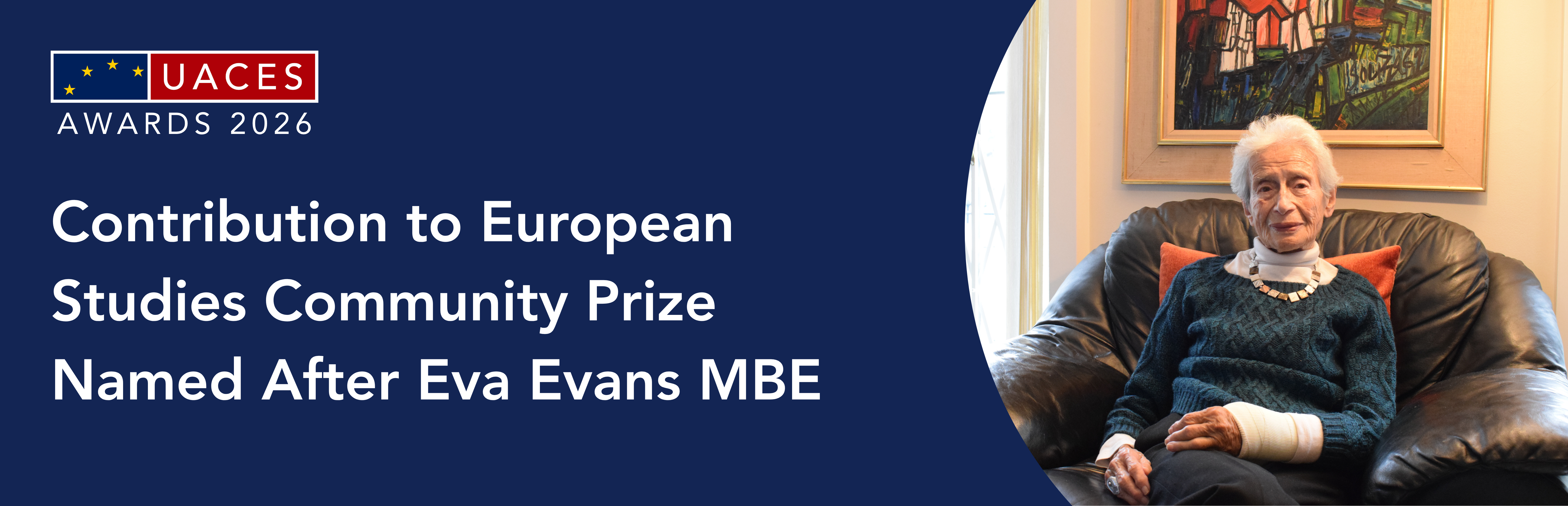
Eva Evans MBE: A Life of Service to European Studies
The Contribution to European Studies Community Prize exists to recognise the kind of work that can often goes unseen but is essential to sustaining a field: mentorship, organisation, leadership, collaboration and the countless acts of support that allow others to thrive.
Eva Evans MBE embodied this work completely.
Her contribution was not defined by a single publication or position, but by a lifetime of commitment to building and sustaining a community. She supported generations of scholars, created opportunities where none existed and ensured that European Studies developed as a connected, collaborative field.
Eva’s work was the infrastructure of the discipline. It enabled others to teach, research, publish and engage. It provided continuity, stability and growth over decades. In every sense, this is precisely what the Community Contribution Prize is designed to recognise.
Eva Evans MBE (1924–2025) was one of the foundational figures of UACES and a central force in the development of European Studies in the United Kingdom and beyond. As the first Executive Secretary of UACES, she played a defining role in shaping the association during its formative decades, helping to build the networks, structures and community that continue to underpin the field today.
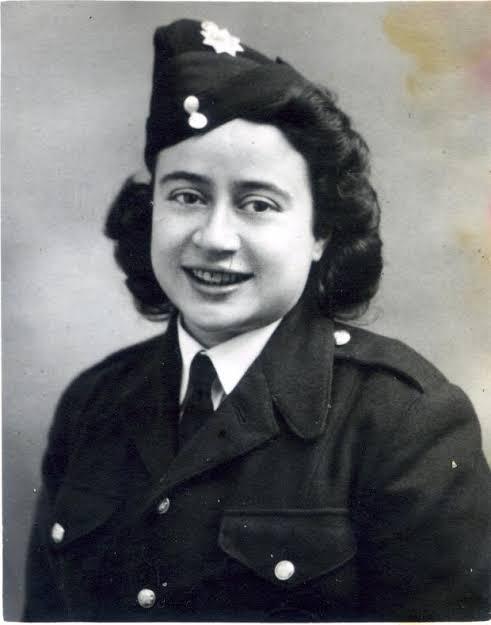
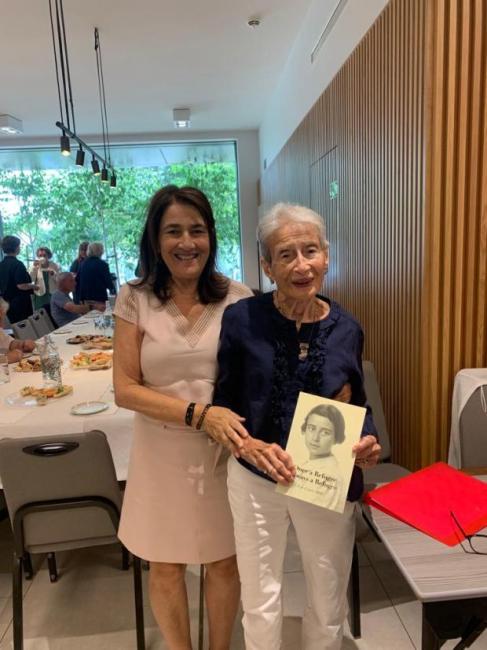
Born in Berlin in 1924, Eva arrived in Britain as a refugee in the late 1930s. Her early life was shaped by displacement and resilience, experiences she later reflected on in her memoir Once a Refugee Always a Refugee (2023). These formative years would inform a lifelong commitment to education, international cooperation and the strengthening of academic communities.
Before joining UACES, Eva worked as secretary to Professor Sir Ernst Gombrich, one of the world’s leading art historians. It was in 1974, however, when she joined UACES as an administrator, that she found the role that would define her working life. What began as a part‑time administrative position became, over more than three decades, a central pillar of the association’s activity.
Eva quickly established herself as indispensable. Her work extended far beyond administration. She organised conferences, managed correspondence across multiple languages, supported the JCMS: Journal of Common Market Studies, and helped coordinate networks of scholars across Europe. She described her role simply, yet with characteristic clarity “My secretarial qualification and knowledge of languages would prove more critical than a knowledge of politics… this position fulfilled my working life for the next thirty‑five years.”
Many of Eva’s Colleagues widely recognised both her ability and her extraordinary dedication. As former UACES Chair Professor William E. Paterson, OBE, FRSE recalled, “She was one of the cleverest and best people I ever worked with… we would speak daily and by the afternoon she would have produced the resulting correspondence in one of three languages.”
Her contribution went well beyond formal duties. She worked tirelessly to support academics at all stages of their careers, organising training opportunities, facilitating engagement with European institutions, and advising students and applicants. Even after retirement, Eva continued this work through her involvement with the College of Europe in Bruges, stating “I went out of my way to help and encourage all applicant who wished to follow the master’s course.”
Central to Eva’s work was a belief in building connections. She organised visits to the European Commission, coordinated conferences across disciplines and maintained extensive correspondence with scholars, practitioners and institutions. In an era before digital communication, much of this work was painstakingly manual.
When Eva first started at UACES, her mentor, and now honorary president, Professor Dame Helen Wallace DBE CMG FBA explained that it would be her job “to provide continuity”. That continuity became one of Eva’s defining contributions. Through decades of change in European politics and academia, she ensured that connections between individuals, institutions and ideas were sustained and strengthened.
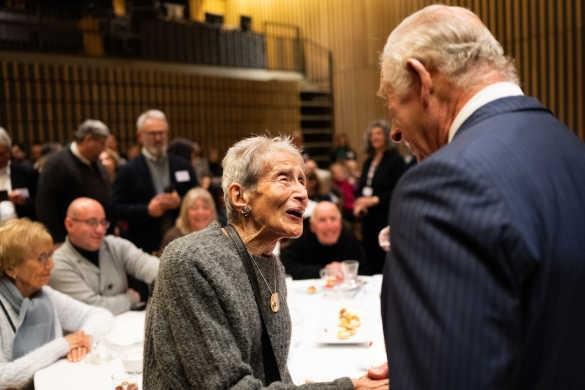
Eva’s work was formally recognised in 1995 when she was awarded an MBE for her services to European Studies. She later reflected on this honour as deeply meaningful, expressing that she does “not think anybody outside my immediate family knows how much this honour means to me.”
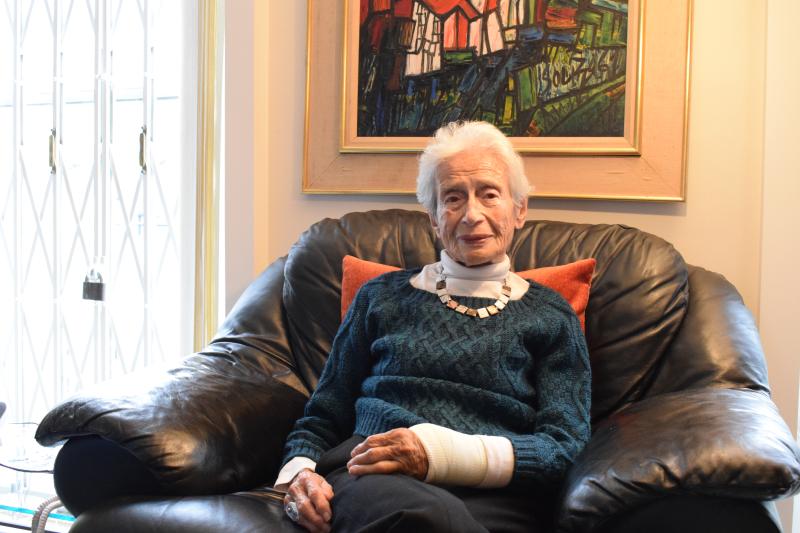
Alongside her professional achievements, Eva was known for her energy, character and determination. She maintained a lifelong enthusiasm for learning and activity, continued to support the academic community well into later life and published her memoirs at the age of 99.