


Doctoral Training Academy 2026
Thriving in Uncertain Waters: Navigating European Studies in 2026
The UACES Graduate Forum is delighted to invite PhD students and Early Career Researchers (ECRs) to the 2026 Doctoral Training Academy (DTA), offering practical support and professional development for those pursuing research in European Studies and related fields. The DTA is a free to attend in person event.
This year, the DTA will take place on Sunday 6 September at Charles University in Prague. The programme brings together professional development sessions, peer learning opportunities and informal networking designed to support researchers at the start of their careers. Whether you are exploring academic pathways or considering opportunities beyond academia, the DTA provides space to reflect on next steps and connect with others at a similar stage.
The in-person event will take place alongside the UACES 56th Annual Conference, creating additional opportunities for participants to engage with the wider UACES community. This year’s programme will also extend beyond Prague, with a series of online sessions in the autumn covering publishing, funding applications, peer feedback and career development.
Together, these activities aim to support collaboration, skill-building and community among emerging scholars at different stages of their academic and professional journeys.
Important Travel Update: The EU is rolling out new biometric border checks for non-EU travellers. Find out how this may effect your journey to the DTA.
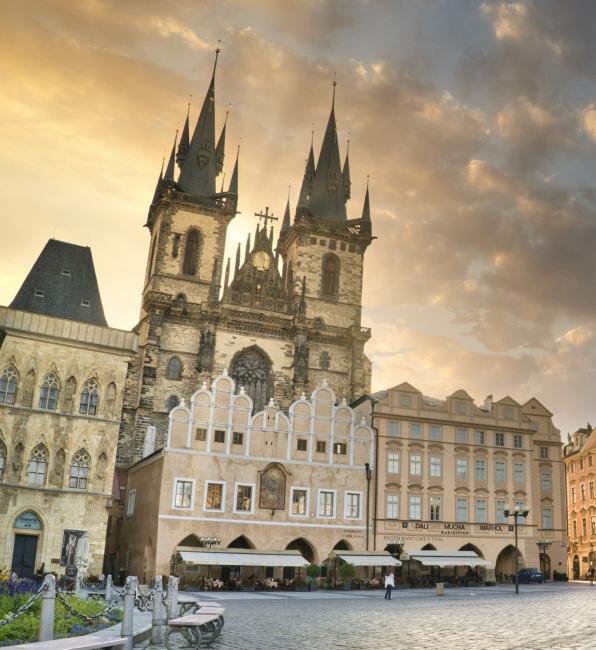
Old Town Square
Prague’s Old Town Square, founded in the 12th century, is the city’s most important historic square and the setting for many key events. It features the Old Town Hall and the Church of Our Lady before Týn, as well as the Baroque Church of St Nicholas, the Rococo Kinský Palace, the Gothic House at the Stone Bell and the Jan Hus monument. The paving stones also mark the execution site of 27 Czech lords in 1621 and the Prague meridian.
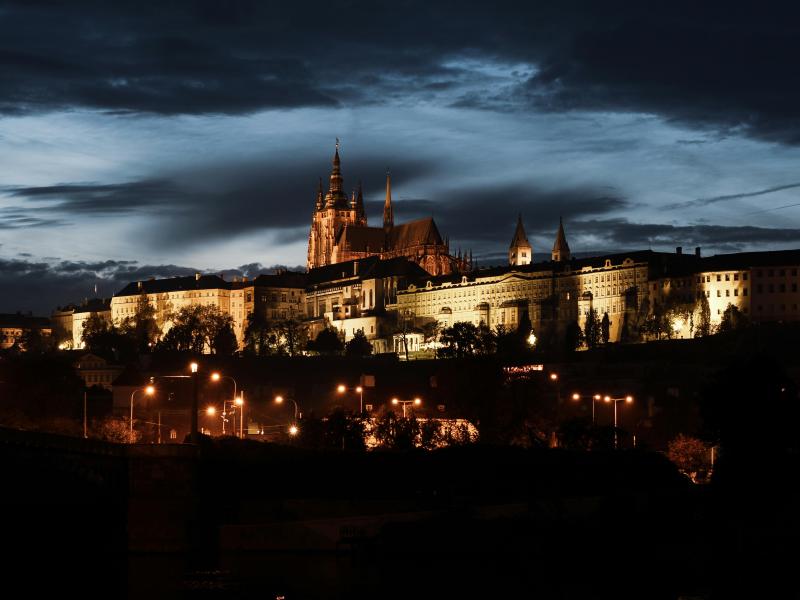
Prague Castle
Prague Castle is the official residence and workplace of the Czech president and one of the most enduring symbols of Prague. Founded in the 9th century, it has been home to Bohemian kings, Holy Roman emperors and modern presidents, with the Bohemian Crown Jewels hidden within its walls. Covering almost 70,000 square metres, Guinness World Records recognises it as the largest ancient castle in the world. Today, it is Prague’s most visited attraction, welcoming millions of visitors each year to its palaces, courtyards and panoramic views.
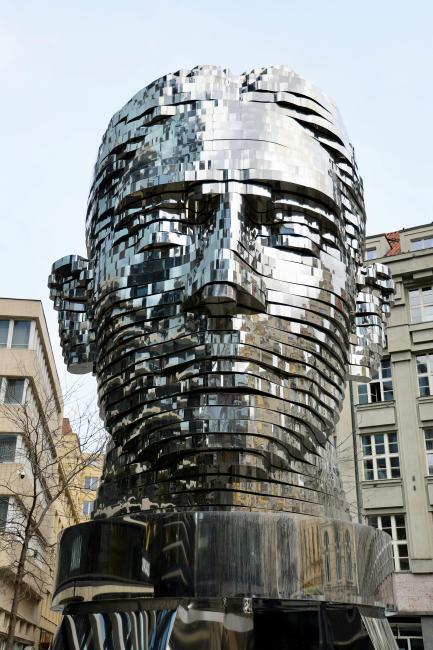
Statue of Kafka
This striking 11‑metre sculpture reveals the face of Franz Kafka as its 42 moving steel layers slowly rotate into alignment. Weighing 39 tonnes, David Černý’s kinetic bust has been turning heads since 2014 and is one of Prague’s most distinctive modern landmarks, standing above the Quadrio complex at the metro station below.
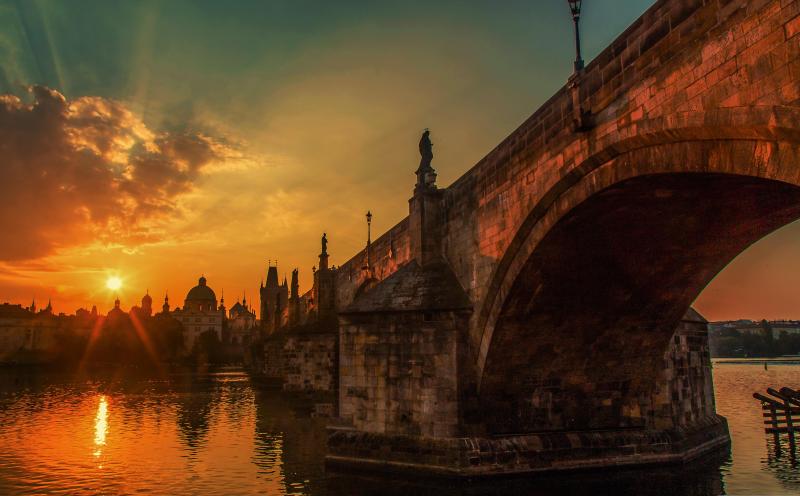
Charles Bridge
Charles Bridge is one of Prague’s most iconic sights and a favourite with photographers from around the world. Lined with 30 statues of saints, the bridge feels like an open-air gallery where history, legend and spirituality meet beneath its Gothic towers. By night, the glow of gas lamps transforms the stone into something magical, bringing old Prague tales to life and giving the bridge its unmistakable, mystical atmosphere.
Important update for non-EU participants
As of April 2026, the European Union will fully implement its new Entry/Exit System (EES) – a digital border control system that replaces passport stamping with biometric registration, namely facial and fingerprint scans.
The system will apply to all non-EU visitors entering the Schengen Area, including UK citizens, on your first entry to the Schengen Zone. Once registered, subsequent crossings will be faster and require only identity verification.
What this means for delegates:
- On your first entry to the EU under the new system, you’ll be asked to provide biometric data (photo and fingerprints).
- The process is quick, secure, and done at border control, with no pre-registration needed. Once registered, you will not need to repeat the process on future visits.
- Please allow extra time at airports and train stations when entering the Schengen Area for the first time after the new system launches.
We recommend reviewing the official EU guidance here before travelling.