


Europe at a Crossroads: Integration, Identity and Power in a Fragmenting World
2026 UACES Graduate Forum Research Conference
The UACES Graduate Forum Research Conference 2026 will take place on Thursday 4 and Friday 5 June 2026 at the Faculty of European Studies, Babeș‑Bolyai University (UBB), Cluj‑Napoca, Romania. The conference will explore how Europe is responding to an increasingly fragmented and competitive international environment. It offers a platform for PhD and Early‑Career Researchers in European Studies to present their work, take part in focused discussions and reflect on the challenges shaping Europe today.
The Call for Papers for this conference is now closed. All authors who submitted proposals have been notified of the outcome.
Registration to attend the conference is open. Registration closes on 24 May at 13:00 BST. All full conference papers must be submitted by 28 May at 17:00 BST.
There is a registration fee of £25 to attend the conference. The fee contributes to catering and venue costs and is non‑refundable. Funding is available to support travel and accommodation costs and eligible participants are encouraged to apply.
About The Conference
Political divisions within EU member states, heightened geopolitical tensions and growing pressure on long‑standing international frameworks have raised urgent questions about the European Union’s role, identity and resilience. These developments are reshaping the EU’s internal dynamics and influencing its capacity to act externally, while testing the partnerships and structures that underpin European and global governance. The conference brings together researchers from diverse disciplinary and methodological backgrounds to examine how the EU is navigating this period of uncertainty and change.
The conference is primarily aimed at PhD and Early‑Career Researchers in European Studies, with a limited number of places available for masters‑level students. You do not need to be a member of UACES to attend. However, UACES members are eligible to apply for travel and accommodation funding and may wish to join to access this support.
The conference provides a supportive platform for young and emerging scholars to engage with contemporary debates on Europe’s future. We particularly welcome participation from students, researchers and practitioners from under‑represented groups and regions, including the Global South, and from disciplines less well represented in European Studies.
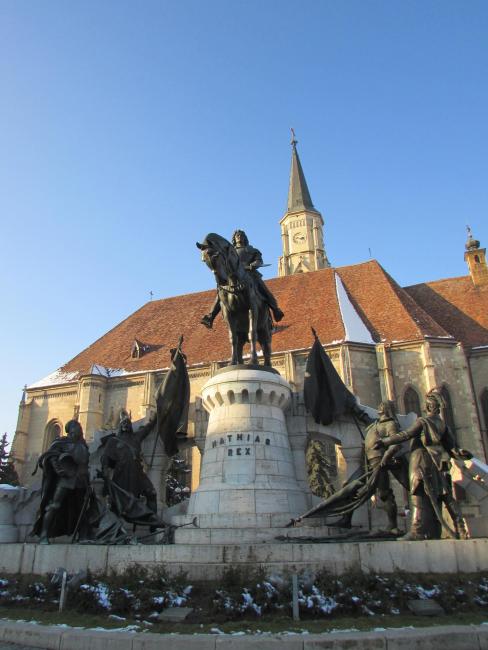
Piața Unirii
Piața Unirii (Union Square) sits at the centre of Cluj‑Napoca’s historic life and has shaped the city’s identity for centuries. Emerging as a focal point in the medieval period, the square remains a place where civic activity, public gatherings and everyday life intersect.
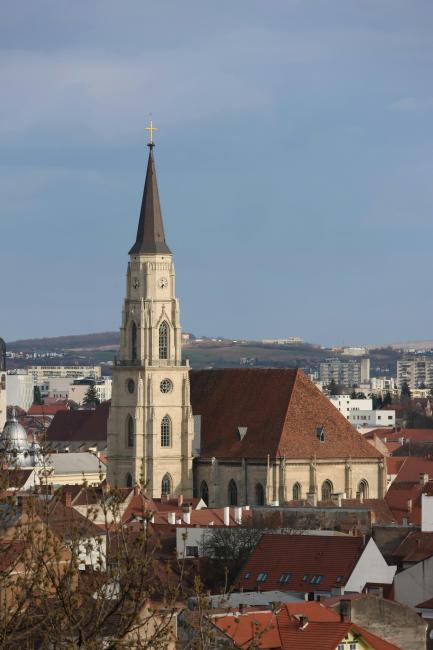
St Michael's Church
St Michael’s Church stands as one of the most prominent examples of Gothic architecture in Romania and has long been a landmark of Cluj‑Napoca’s skyline. Its spacious interior and elevated tower contrast sharply with the surrounding square, making the church both a place of worship and a lasting symbol of the city’s medieval past.
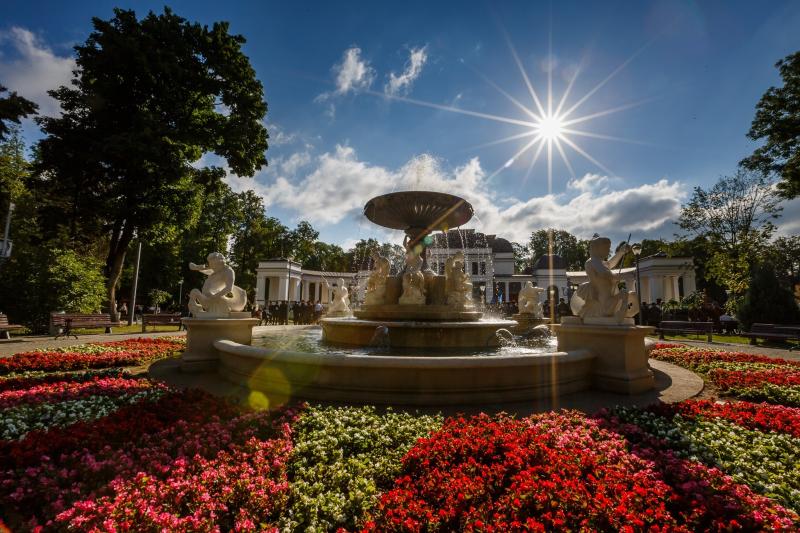
Central Park Simion Bărnuțiu
Central Park Simion Bărnuțiu offers a quieter perspective on Cluj‑Napoca, balancing the dense historic centre with open green space. Developed in the 19th century, it stretches alongside the Someșul Mic River and is woven into everyday city life.
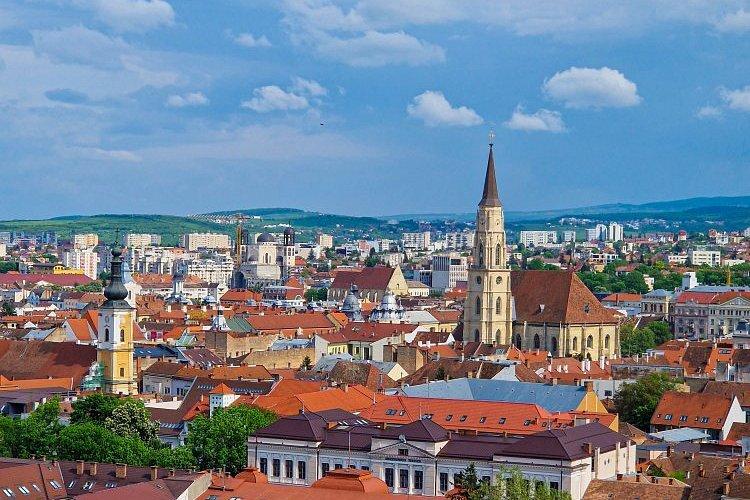
Cetățuia Hill
Cetățuia Hill overlooks Cluj‑Napoca, providing a broad view of the city and its surrounding hills. Once the site of a military fortification, the area now serves as a viewpoint rather than a defensive position.